
The Novel’s Invitation to Speak
All the Bright PlacesThis thread links the story’s private silences with its closing appeal to recognize distress, resist stigma, and seek help.
increasing Bearing strength in each event
 decreasing
Bearing strength in each eventdecreasingThe Unspoken Crisis

The Unspoken Crisis
Distress hidden in humor
Theodore Finch speaks openly about death as a topic but hides much of his immediate danger behind jokes, statistics, and vivid stories.
Why directness matters
People around him hear fragments without always connecting them. His private language makes the crisis visible to readers while remaining difficult for characters to interpret.
The story begins by making concealment part of the problem, not proof that no one cared.
The Cost of a Label
The Cost of a Label
Public categories
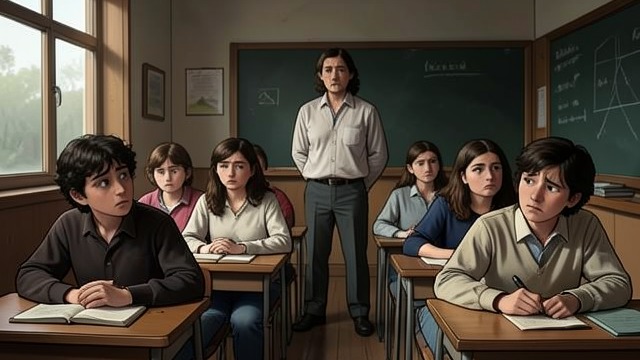
Students call Theodore Finch a freak and describe Violet Markey as a hero or survivor. These labels flatten complicated experiences into simple roles.
Resisting reduction
Finch objects to being treated as a diagnosis or a collection of symptoms. Violet, too, resists being defined only by the crash and her supposed heroism.
The novel argues that language can identify suffering but can also obscure the person who is suffering.
The Friend’s Question
The Friend’s Question
Asking what it feels like
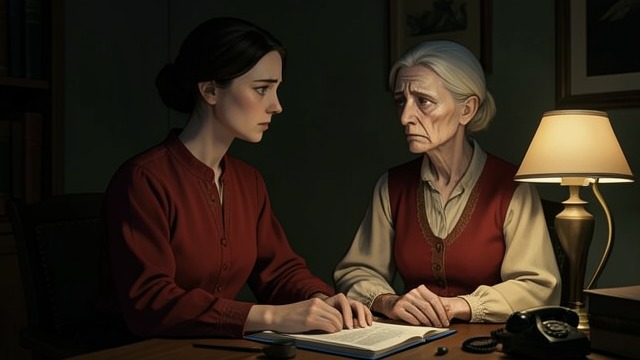
After Finch’s death, Violet Markey asks Amanda Monk what suicidal thinking feels like. Amanda describes worthlessness, isolation, and the sense that death seems like the only choice.
Listening without judgment
The exchange does not explain Finch’s exact thoughts, but it gives Violet a more compassionate understanding of how crisis can narrow perception.
The scene models curiosity and listening without claiming to speak for everyone.
A Counselor’s Admission
A Counselor’s Admission
Acknowledging limits
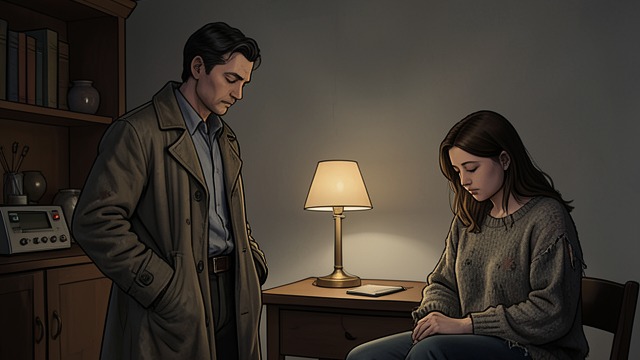
Mr. Embry tells Violet Markey that Theodore Finch should have received more help and admits he feels responsible. He also warns that hindsight cannot establish what would have changed the outcome.
Support for the survivor
He encourages Violet to talk with adults and friends and not carry responsibility for everyone. His response recognizes both institutional imperfection and the limits of individual control.
The conversation counters blame without pretending that prevention is simple.
The Author’s Appeal
The Author’s Appeal
Making silence public
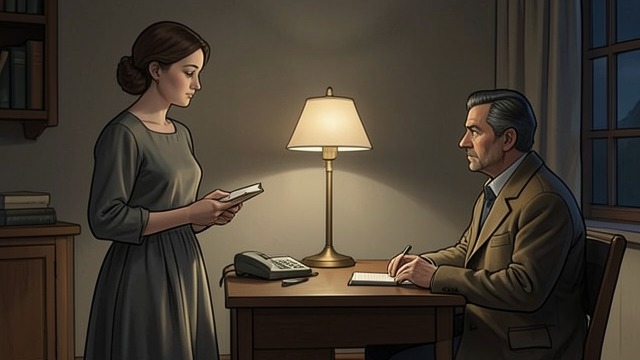
The author’s note connects the novel’s events to the effects of suicide and mental illness on families. It describes stigma, loss, and the difficulty of speaking about a death.
Asking readers to act
The note urges readers to speak up when something seems wrong, remember that they are not alone, and seek help. It provides prevention and support resources.
The closing appeal turns the novel’s themes toward real conversations without suggesting that fiction alone can provide care.
Early January
January, after the Bartlett Dirt coverage
May, during Violet’s conversation with Amanda
May, after the funeral
After the story, in the author’s note
